
Workflow for Patient-specific Femur Simulation
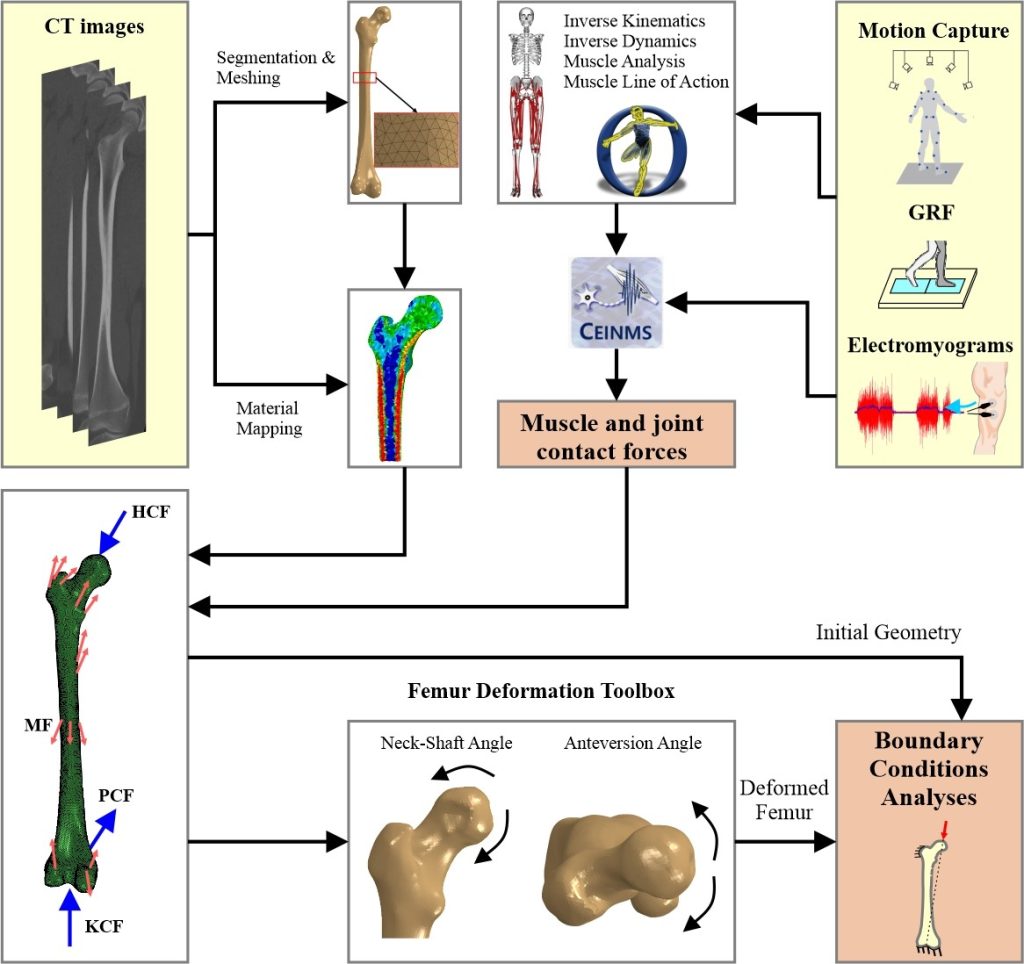
Hear from SIMULIA Champion, Professor Stefanie Feih of Griffith University, about how orthopedic surgical planning can now leverage patient-specific neuromusculoskeletal models to determine physiologically plausible muscle and joint contact forces comprising points/areas of application, magnitude, and direction. Finite element analysis (FEA) is subsequently employed to estimate stresses and strains in the implants and their host […]
Thermal Behavior of Vehicle Seats: Using Simulation to Enhance Thermal Comfort
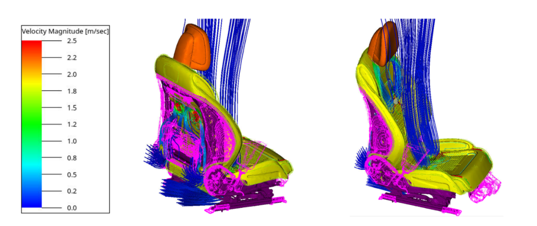
This current customer reference story aims to present a first-of-its-kind simulation workflow using a PowerFLOW-PowerTHERM coupled simulation to assess the thermal behavior of a vehicle seat provided by Lear Corporation By Dr. Faron Hesse The following post was written in coordination with Dr. Thorsten Hans , Lear Corporation’s Comfort & Trim Simulation group leader. Dr. […]
Impedance Simulation of Differential Transmission Lines Considering ESD Protection Diode Components
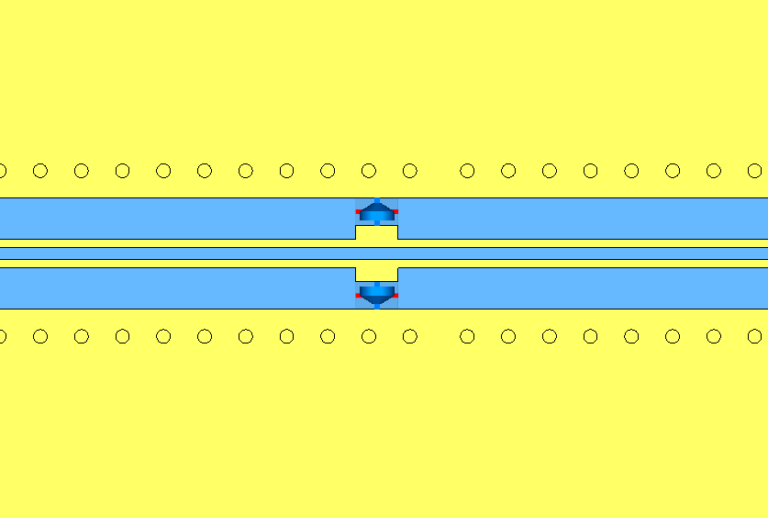
Transmitting high-bandwidth data between transmitter and receiver over a single twisted pair (STP) requires additional ESD (electrostatic discharge) protection components at transmitter and receiver sides. These protection components are mounted on the printed circuit board (PCB). With a data rate of 6 Gbps, the design of the PCB transmission line has to consider the ESD […]
Debugging Abaqus Models

This blog is a comprehensive exploration of the process of debugging models in Abaqus/Standard, with a specific focus on resolving convergence issues. It provides a detailed comparison between Abaqus/Standard and Abaqus/Explicit, using iterative methods and strategies, highlighting the importance of understanding model features, adopting systematic approaches, and maintaining perseverance in the face of issues By […]
Abaqus Makes an Impact in the World of Biomimicry and Soft Robotics
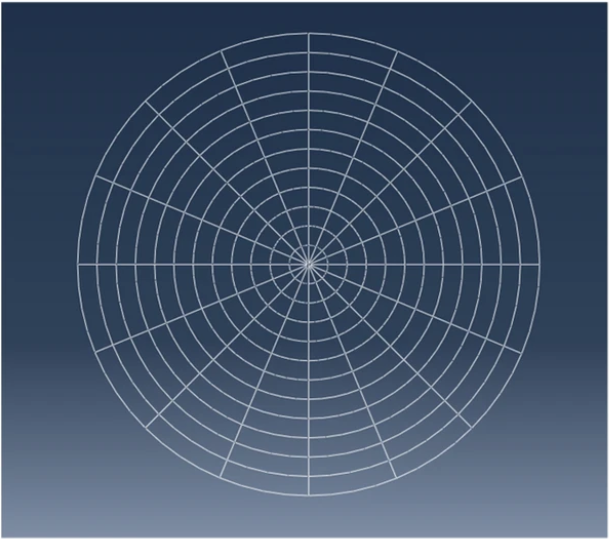
Two engineering fields that are advancing rapidly are soft robotics and biomimicry, and can be helped by Abaqus simulation By Katie Corey Two engineering fields that are advancing rapidly are soft robotics and biomimicry; in fact, the two areas often overlap. Taking inspiration from nature is a concept that has been around for a while, […]
Pioneering the Future of Systems Engineering
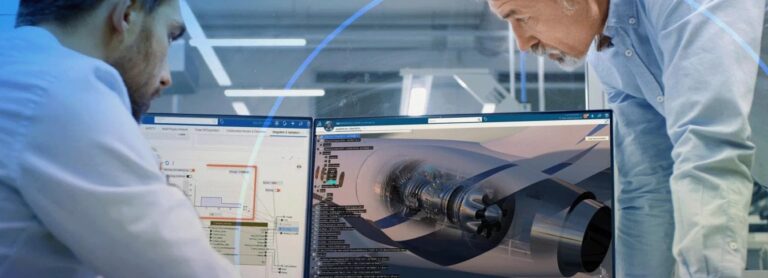
In the evolving landscape of systems engineering, a spotlight is cast on the innovative practices of model-based systems engineering (MBSE). Specialized firms like Samares Engineering, with a decade-long legacy, lead the charge in adopting MBSE to address the industry’s multifaceted challenges By Garima DHASMANA In the evolving landscape of systems engineering, a spotlight is cast […]
Gasket Simulation in Abaqus
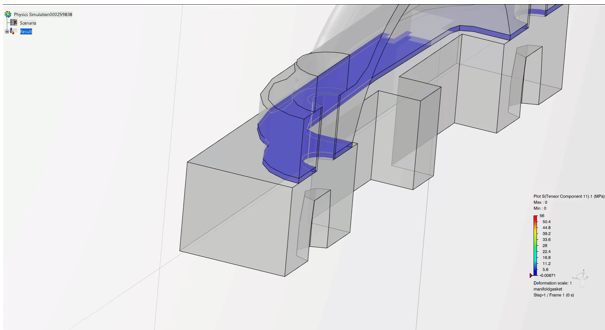
This blog discusses gasket simulation in Abaqus/Standard, focusing on real-world applications. Gaskets provide cost-effective seals between mating surfaces and have applications across various industries By Randy Marlow What is a Gasket? The primary uses of a gasket are to provide a robust seal between two flanges, to endure thermal and mechanical loading, to resist exposure […]
The secret behind smart home product development: platform-based MBSE
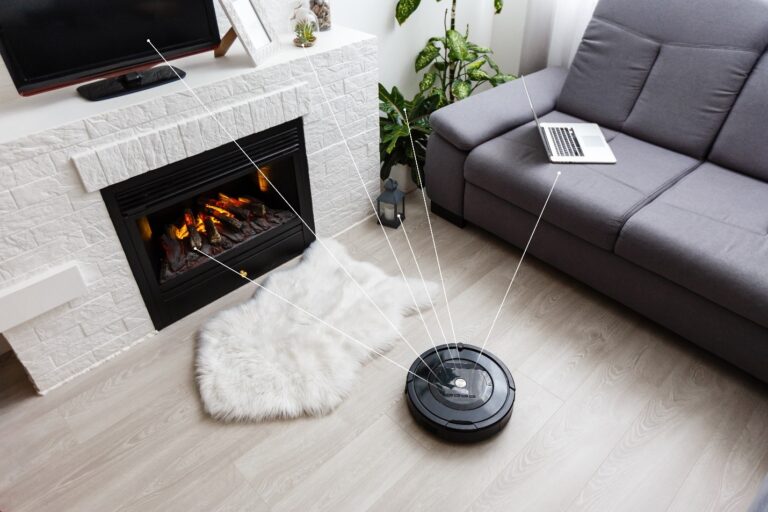
Consumers shopping for home products notice the common home products shifting to “smart” products. It has taken some time, but everyday consumer products now use technology from the aerospace and industrial sectors By Ellen Mondro How do manufacturers navigate the complexity of adding integrated sensors, smart chips, networking capability and software to create innovative, reliable […]
Navigating Complexities of Radar Vehicle Integration Leveraging Electromagnetic Simulation

Please welcome guest blogger, Yadhukrishnan MK, of Continental AG as he talks about radar simulation in advanced driver assistance systems By Sophia Eschenfelder Advanced driver assistance systems in automobiles utilize various technologies, such as cameras, lidar, and radar, to ensure a safe and comfortable driving experience. Among these technologies, radar plays a crucial role in […]
Why the High-Tech Industry Needs Multiphysics Simulation
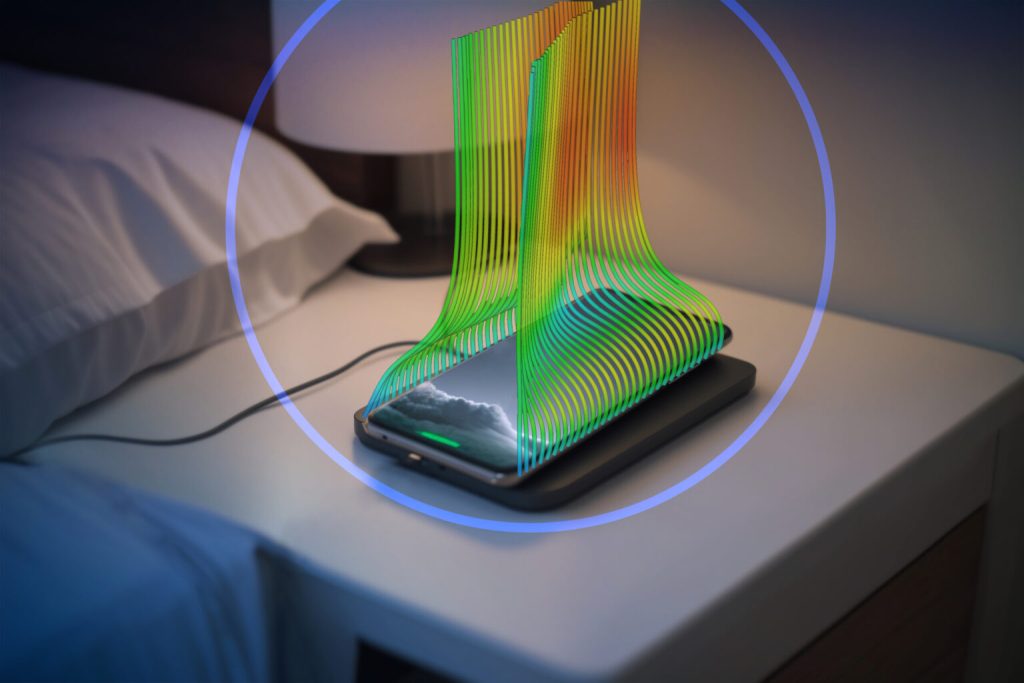
The High-Tech industry is fast-moving and constantly reinventing itself in the face of trends such as wearables, VR/AR, private wireless networks and 5G and the coming 6G. Manufacturers face considerable challenges if they want to stay ahead of these trends and remain competitive. We spoke to several SIMULIA High-Tech industry specialists about the challenges of […]